Spring Concrete Pouring Projects With Local Service Providers
Spring is the perfect time to plan and connect with local contractors for durable commercial concrete pouring that enhances property functionality and curb appeal.
Spring is often considered an ideal season to plan for commercial concrete pouring projects because the moderate temperatures and generally dry weather conditions create favorable circumstances for construction work. During spring, property owners can take advantage of the season's natural climate to prepare for upcoming outdoor projects, such as installing new walkways, loading docks, or patios that require a solid, durable foundation. Additionally, spring allows for working around winter-related delays or damage, making it a practical time to initiate concrete work that benefits from a stable environment for curing and setting.
Typically, commercial concrete pouring services encompass a range of tasks essential for establishing or upgrading outdoor surfaces. This includes site preparation, such as excavation and grading, followed by the pouring and leveling of concrete to create smooth, level surfaces. Many service providers also handle finishing techniques to ensure the desired texture and appearance, as well as sealing or curing processes that enhance durability. Depending on the project scope, local contractors may also provide reinforcement options, such as rebar or mesh installation, to improve the longevity and strength of the concrete.
When comparing local options for commercial concrete pouring, property owners should consider factors such as the experience and reputation of service providers, the range of services offered, and their familiarity with local building codes and climate considerations. It can be helpful to review portfolios or ask for references to gauge the quality of past work. Additionally, consulting with multiple contractors can provide insight into their approach to project planning, site management, and material choices. By evaluating these aspects, property owners can identify the local contractors best suited to meet their specific project needs and ensure a reliable, professional outcome.
Compare local contractors' expertise and experience to find the best fit for your spring concrete pouring project.
- Expert Concrete Pouring - Local contractors have the experience to handle commercial concrete pouring projects efficiently.
- Seasonal Planning - Spring is an ideal time to prepare for outdoor construction and renovation projects.
- Material Selection - Service providers can recommend suitable concrete mixes for various commercial applications.
- Quality Assurance - Trusted local pros ensure proper finishing and curing techniques for durable results.
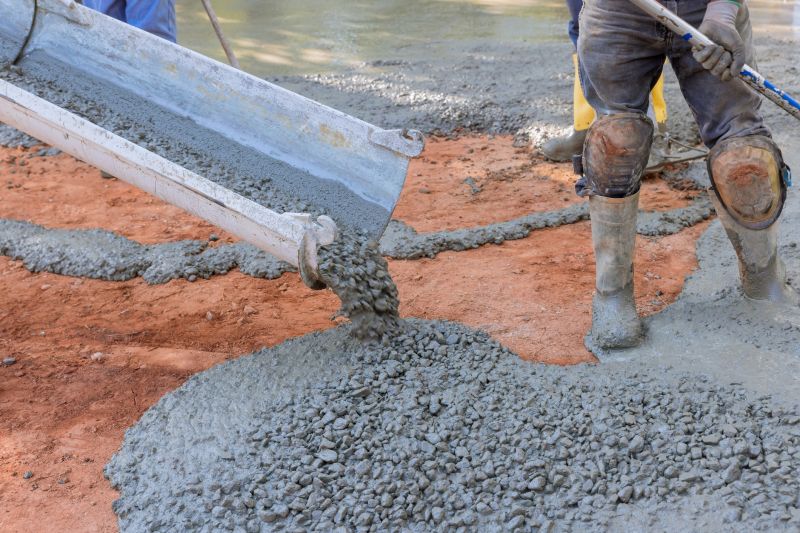
Before comparing options, clearly describe your commercial concrete pouring project to help local contractors recommend the best approach for spring-focused planning.
- Check that the site is properly prepared with clear access and adequate space for pouring equipment. - Ensure that the area is free of debris and properly graded to support the weight of the concrete.
- Verify that formwork is securely installed and properly aligned to achieve the desired concrete shape and dimensions. - Confirm that forms are sturdy, level, and sealed to prevent leaks during pouring.
- Assess weather conditions to avoid pouring during rain, high winds, or extreme temperatures that can affect concrete curing. - Consult with local contractors about optimal weather windows for spring pouring projects.
- Ensure that reinforcement materials, such as rebar or wire mesh, are correctly positioned and secured within the forms. - Proper reinforcement placement is essential for concrete strength and durability.
- Discuss with service providers about the appropriate mix and additives to ensure the concrete meets project requirements. - Proper mix design can influence curing, setting time, and overall finish quality.
- Confirm that curing methods and materials are prepared to maintain moisture and temperature levels for proper hardening. - Adequate curing is vital for achieving optimal concrete strength and longevity.
Explore how local contractors can assist with commercial concrete pouring to support spring renovation projects.
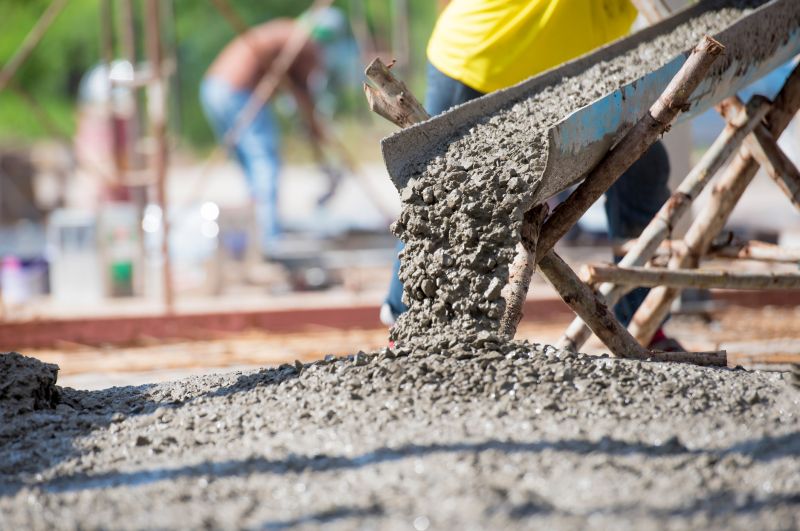
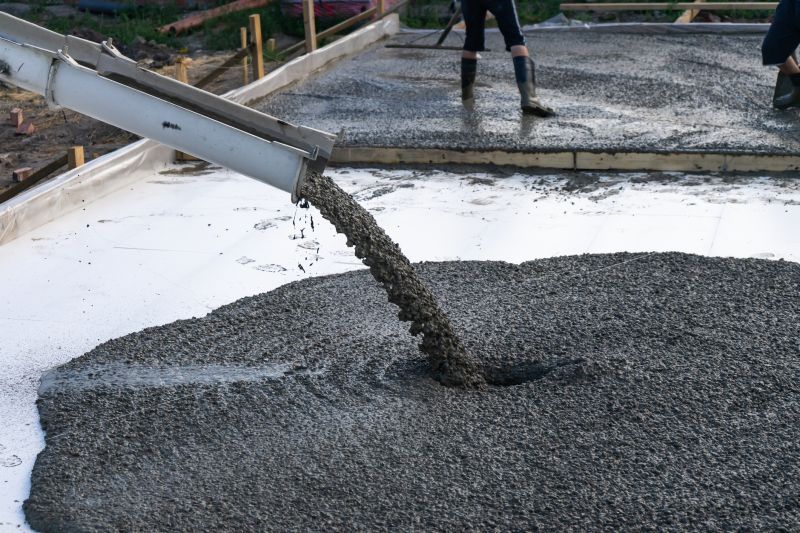

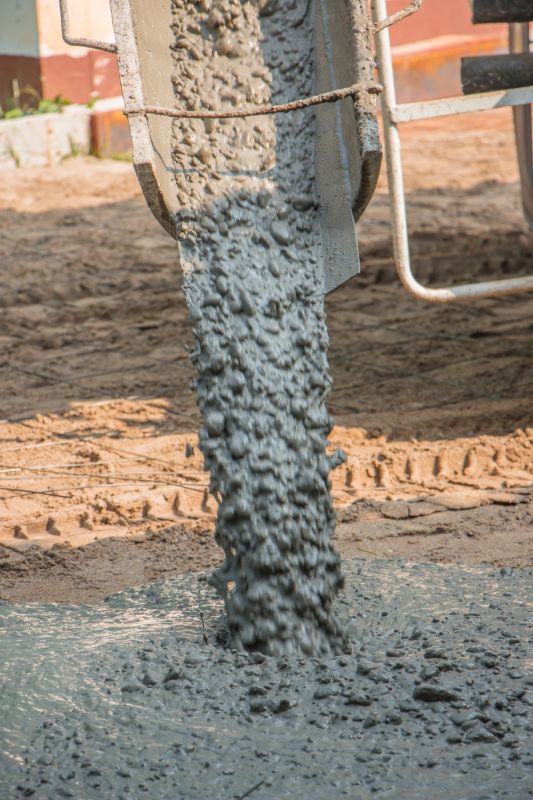
Prioritize your project needs and compare local contractors to find the best fit for your spring concrete pouring plans.
- Driveway Replacement - Spring is an ideal time for local contractors to handle concrete pouring for driveway upgrades, helping to refresh curb appeal after winter.
- Patio and Outdoor Space Foundations - Many homeowners seek to expand or create new outdoor living areas, with service providers ready to pour durable concrete slabs.
- Sidewalk and Walkway Installation - Spring weather allows for efficient pouring and setting of walkways, improving safety and accessibility around properties.
- Garage Floor Resurfacing - Upgrading or repairing garage floors is a common spring project, with local contractors equipped to handle concrete pouring and finishing.
- Pool Deck Construction - As outdoor pools are prepared for use, service providers can assist with pouring concrete for pool decks that combine functionality and aesthetics.
Compare local contractors consistently to find skilled service providers for your spring commercial concrete pouring projects.
- Site Preparation - Define the scope of site clearing, grading, and ensuring a stable foundation for concrete pouring.
- Formwork Design - Establish the specifications for form structures to shape and support the concrete during curing.
- Material Specifications - Determine the type and quality of concrete mix suitable for the project’s structural requirements.
- Pouring Procedures - Outline the methods for pouring, spreading, and consolidating concrete to achieve desired finish and strength.
- Curing Process - Specify the steps for maintaining moisture and temperature conditions to ensure proper concrete hardening.
When comparing service providers for commercial concrete pouring during the spring season, it is important to consider their experience with similar projects. Contractors who have a proven track record of handling commercial pours in environments comparable to the site can offer insights into potential challenges and effective solutions. An experienced contractor will understand the nuances of working with different soil conditions, weather considerations, and project sizes, which can influence the overall success of the pour. Evaluating a contractor's portfolio or asking for examples of past projects can help determine their familiarity with projects of similar scope and complexity.
Clear communication about the scope of work is essential when selecting a service provider. A detailed project description ensures that both parties have aligned expectations and understand the specific tasks involved, such as site preparation, formwork, reinforcement, and finishing. Service providers who can articulate a comprehensive scope demonstrate professionalism and help minimize misunderstandings. Clarifying what is included-and what is not-can support a smoother process, especially during the busy spring season when scheduling and coordination are critical.
Work planning considerations are vital in ensuring a successful concrete pour. Local contractors should be able to discuss how they plan to coordinate the project around seasonal weather patterns, such as rain or fluctuating temperatures, which can affect curing times and workability. They should also have strategies for managing site access, material delivery, and labor resources to optimize the project timeline. A well-organized work plan that accounts for these factors indicates a contractor’s preparedness and ability to adapt to spring-specific conditions.
When evaluating options, homeowners should focus on the contractor’s experience, clarity of scope, and planning approach rather than solely on pricing. Comparing how service providers communicate their process, their ability to address project-specific concerns, and their approach to scheduling can reveal their professionalism and reliability. Gathering information about their methods and prior project outcomes can help in selecting a contractor who is well-equipped to handle the demands of a springtime commercial concrete pour, ensuring the project is completed efficiently and to the desired standards.
Request written details to ensure project scope remains clear and consistent with spring renovation plans.
- Scope Comparison - How do different service providers define the scope of commercial concrete pouring projects during spring planning?
- Experience & Specialization - What experience levels and project specializations do local contractors offer for spring concrete pouring needs?
- Material & Technique Options - How do providers compare in terms of materials used and pouring techniques suitable for spring conditions?
- Project Management Approach - What approaches do local service providers take to manage the scope and coordination of spring concrete pouring projects?
- Service Offerings & Capabilities - How do local contractors’ service offerings align with the specific scope requirements of spring-focused commercial concrete work?
What is involved in commercial concrete pouring during spring? Spring concrete pouring typically includes preparing the site, ensuring proper weather conditions, and coordinating the placement and finishing of the concrete to support seasonal construction projects.
Why is spring a good time for commercial concrete projects? Spring offers milder weather and longer daylight hours, which can help facilitate efficient concrete pouring and curing processes for commercial developments.
How do local contractors handle spring weather challenges? Local service providers often monitor weather forecasts closely and may implement protective measures, such as coverings or additives, to ensure concrete sets properly despite fluctuating spring conditions.
What preparations are recommended before a concrete pour in spring? It’s advisable to ensure the site is properly graded, formwork is secure, and that the weather forecast is suitable for concrete work to prevent issues like freezing or excessive heat.
Are there specific types of concrete mixes suited for spring pouring? Some local contractors might recommend mixes with additives or specific formulations designed to improve workability and curing in variable spring temperatures.
How can spring planning improve the success of a commercial concrete pour? Proper planning includes scheduling around optimal weather conditions, coordinating with experienced local service providers, and preparing the site to ensure a smooth and durable pour during the season.
This page has provided an overview of commercial concrete pouring, highlighting essential considerations like planning for spring projects, understanding the importance of proper site preparation, and the benefits of working with experienced service providers. Visitors now have a clearer idea of what to expect and the key factors involved in successful concrete pouring for commercial spaces. To explore options and find local contractors capable of handling the job, it’s recommended to contact service providers directly for comparisons tailored to specific project needs.
Choosing the right local contractors can help ensure the success of a springtime concrete project. By reaching out to qualified service providers, visitors can gather information, compare approaches, and select the best fit for their commercial concrete pouring needs. Utilizing the contact options available allows for a straightforward way to connect with trusted local experts who can assist with planning and executing the project effectively.
Providing clear details about your commercial concrete pouring project helps local contractors understand your needs and plan effectively.
- Project Details - Share information about the size and scope of the concrete pouring project.
- Location - Indicate the specific area where the concrete will be poured or installed.
- Surface Type - Describe the type of surface or structure that requires concrete pouring.
- Preparation Needs - Mention any site preparation or additional work required before pouring begins.